
Eastern Redbud Tree Live Plant 2.5 QT Purple Flowers Outdoor Deciduous
$73.98
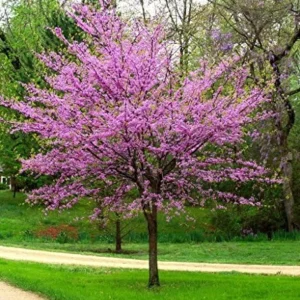
Bring vibrant early spring color to your landscape with the Eastern Redbud Tree. This live plant, provided in a 2.5 QT size, boasts stunning rose-purple flowers that bloom profusely on bare branches, followed by attractive foliage. Ideal for various garden settings.
Feb 22
Feb 27 - Mar 01
Mar 04 - Mar 08
Our Alive & Thrive Guarantee covers issues with your plants within the first 30 days. Reach out to us. Our team will answer your questions and help you find the plants that are truly suitable for your environment, climate, and personal preferences.
Elevate Your Garden with the Eastern Redbud Tree
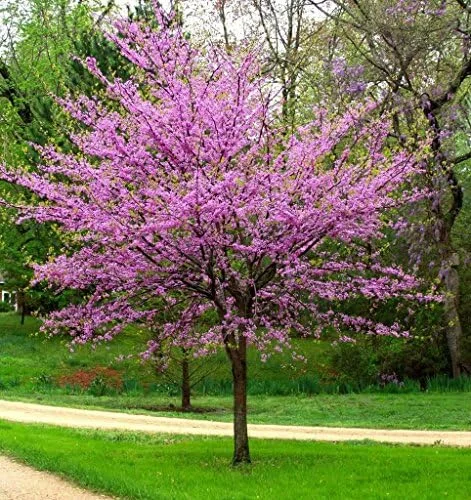
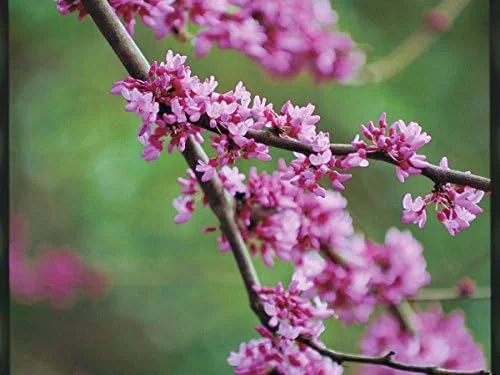
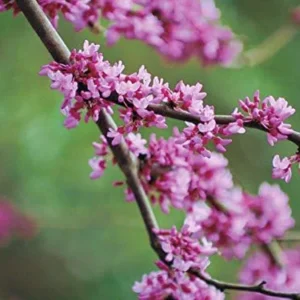
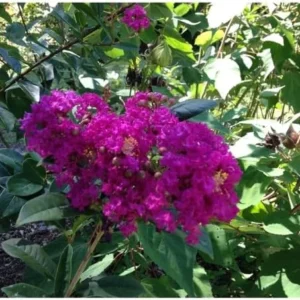
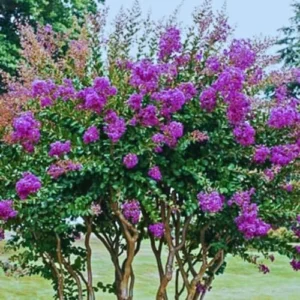
The Eastern Redbud Tree (Cercis canadensis) is a captivating deciduous understory tree renowned for its breathtaking early spring display. This live plant, typically maturing to 20-30 feet tall with a slightly larger spread, will transform your outdoor space with its profusion of pea-like rose-purple flowers. These stunning blooms emerge on bare branches in March-April, long before the foliage appears, creating a spectacular visual impact. Native to eastern and central North America, the Eastern Redbud is a resilient and adaptable choice for diverse landscapes, thriving in open woodlands, thickets, and along rocky streams.
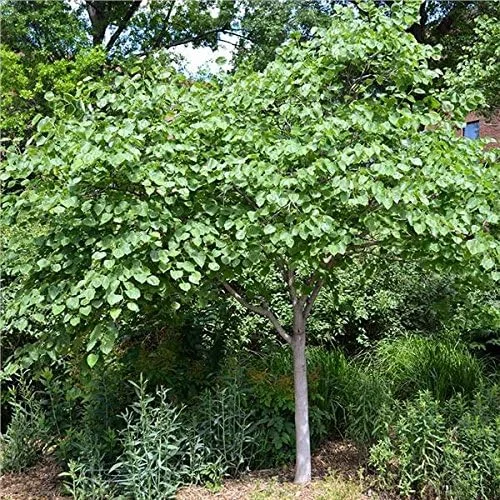
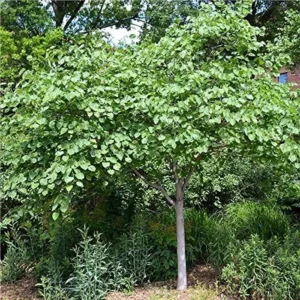
Beyond its initial floral show, the Eastern Redbud Tree offers year-round interest. Following the vibrant spring blossoms, flattened, leguminous bean-like dry seedpods develop, maturing to brown in summer and often persisting into winter. The broadly ovate, dull green to blue-green leaves have a unique papery texture and turn a lovely pale yellow to greenish-yellow in fall, adding seasonal charm to your garden. This tree’s rounded crown and multi-trunked habit contribute to its natural beauty, making it an excellent specimen plant or addition to woodland borders. Its moderate watering needs and adaptability to full sun to partial shade make it a relatively low-maintenance option for gardeners.
The Eastern Redbud Tree is not just beautiful; it’s also a beneficial addition to local ecosystems, attracting pollinators with its early spring flowers. Plant this magnificent tree to create a focal point in your yard or to enhance a naturalized area. Its hardiness across USDA Zones 4-8 ensures it can withstand a wide range of climates, making it a reliable choice for many regions. Whether you’re looking to add a burst of color, a unique form, or a native species to your landscape, the Eastern Redbud delivers on all fronts. Its expected mature height of 20-30 feet provides ample shade and visual interest without overwhelming smaller garden spaces.
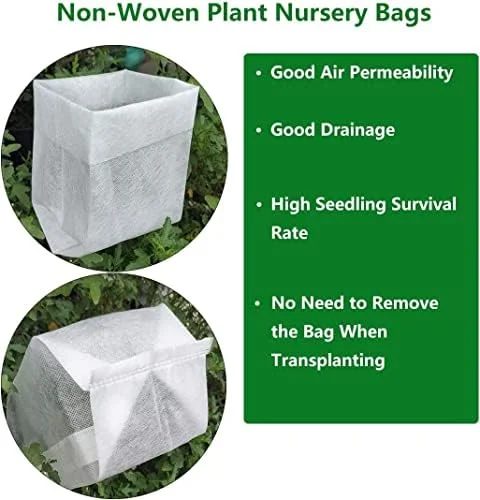
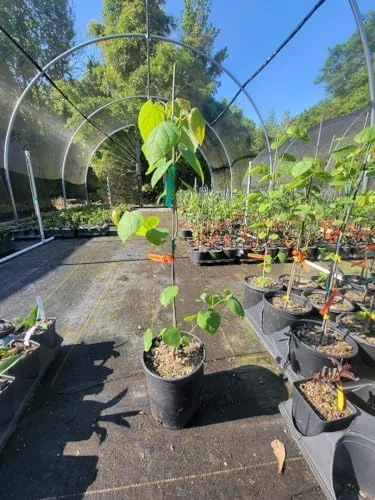
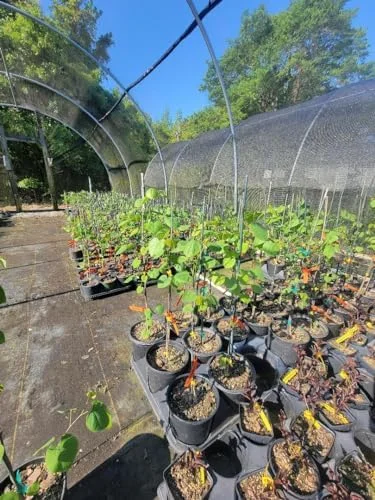
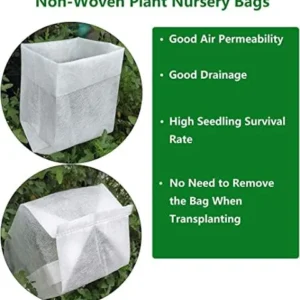
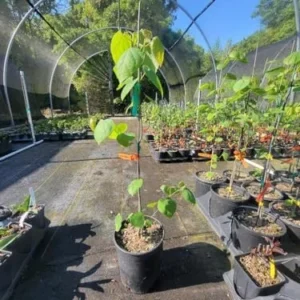
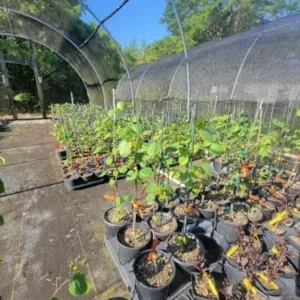
When you receive your Eastern Redbud Tree, it will be carefully prepared for shipment. Depending on your location and the time of year (November through March), your plant may ship dormant, ensuring a healthy transition to its new home. For deliveries to specific western states (CA, OR, WA, AZ, UT, ID, NV, MT, ND, SD), the plant will be shipped bareroot to ensure optimal health. For all other states, it will be shipped in a fabric grow bag, ready for planting. While we cannot guarantee flowers at the time of purchase, you can anticipate an incredible display in the spring following establishment.
Invest in the timeless beauty of the Eastern Redbud Tree and enjoy its stunning rose-purple blooms, attractive foliage, and graceful form for years to come. This live plant is an investment in the beauty and biodiversity of your outdoor living space, providing a spectacular show each spring and charming interest throughout the year. Its moderate watering requirements make it suitable for various gardening skill levels, from beginners to seasoned enthusiasts.
Frequently Asked Questions about the Eastern Redbud Tree
- How tall does an Eastern Redbud Tree get and how wide does it spread? An Eastern Redbud Tree typically matures to a height of 20-30 feet with a slightly larger spread of 25-35 feet, creating a beautiful rounded crown.
- What color are the flowers and when do they bloom? The Eastern Redbud produces stunning pea-like rose-purple flowers that bloom profusely on bare branches in early spring, usually March to April, before the leaves emerge.
- What are the sunlight requirements for an Eastern Redbud Tree? This tree thrives in full sun to partial shade, making it versatile for various garden exposures.
- What USDA Hardiness Zones is the Eastern Redbud Tree suitable for? The Eastern Redbud Tree is hardy in USDA Zones 4 through 8, allowing it to flourish in a wide range of climates.
- Will my Eastern Redbud Tree have flowers when it arrives? We cannot guarantee plants will have flowers at the time of purchase, as blooming occurs specifically in early spring. Your tree will be ready to establish and produce beautiful blooms in its first or second spring after planting.


Reviews
There are no reviews yet.